At a party with ten children the pile of presents is torn open in five minutes, and three of the parcels contain the same building set. A personal present doesn’t have to be big. It should show that someone has thought about this particular child. Here are six ideas, and you can do most of them without us.
What makes a present personal
What stays after the party is whatever has to do with the child: their name, an interest, something you have done together or a picture with the child in it. It rarely costs much. It costs a little time, and sometimes a text to the parents.
Some of the ideas below take an evening at the kitchen table. Others need planning. None of them could have been given to just any child.
1. A book with the child in it
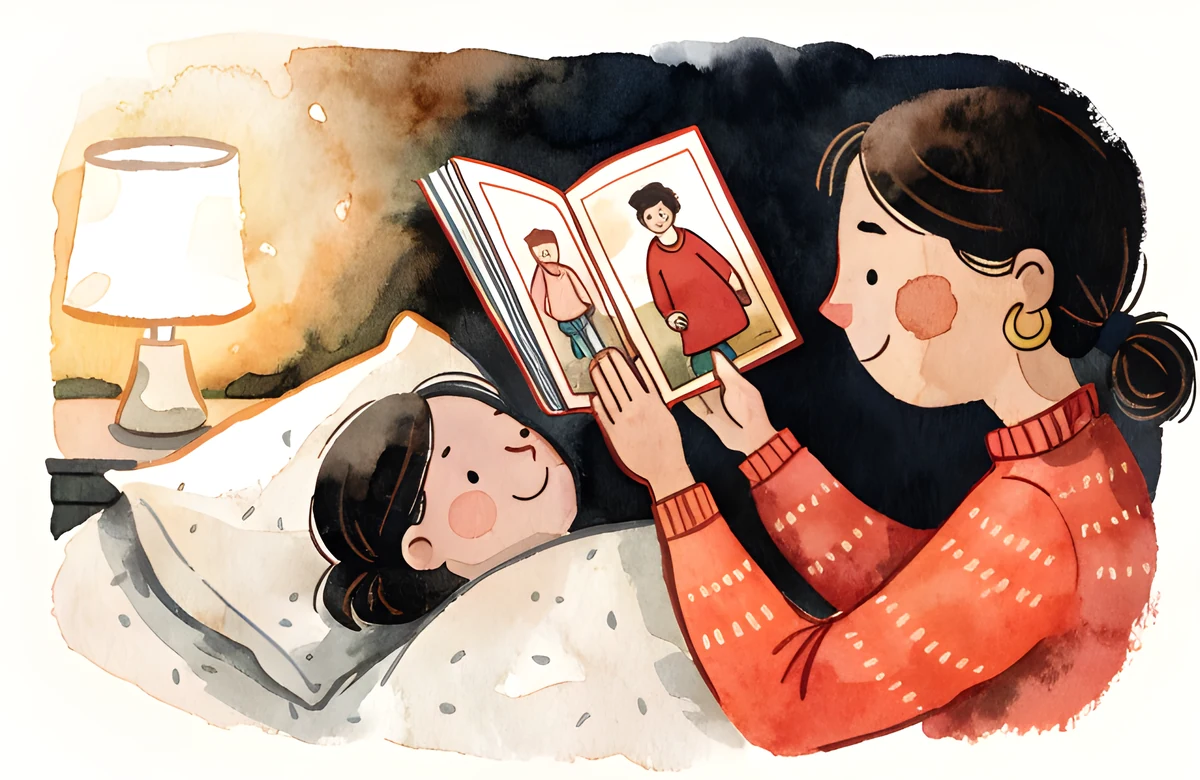
A picture book in which the child is the main character, drawn from a photo, with a story about something they love: dinosaurs, horses or football. A brother or sister or the dog can be in it too, and things that have happened recently, like a lost tooth or a trip to Grandma’s, can be woven in. This is what we make, so we are not impartial, but we think it works best when you know the child well. There are examples of stories among the book ideas.
It needs the parents’ help, since you need a photo and their permission to use it. If you are not close to the family, it may be easier to give the book together with them. The e-book is ready in a few minutes. The printed book is printed in 3–10 working days and then sent with tracked delivery, so allow one to two weeks in total. There is more about books as a party present on a page of its own.
2. A framed picture
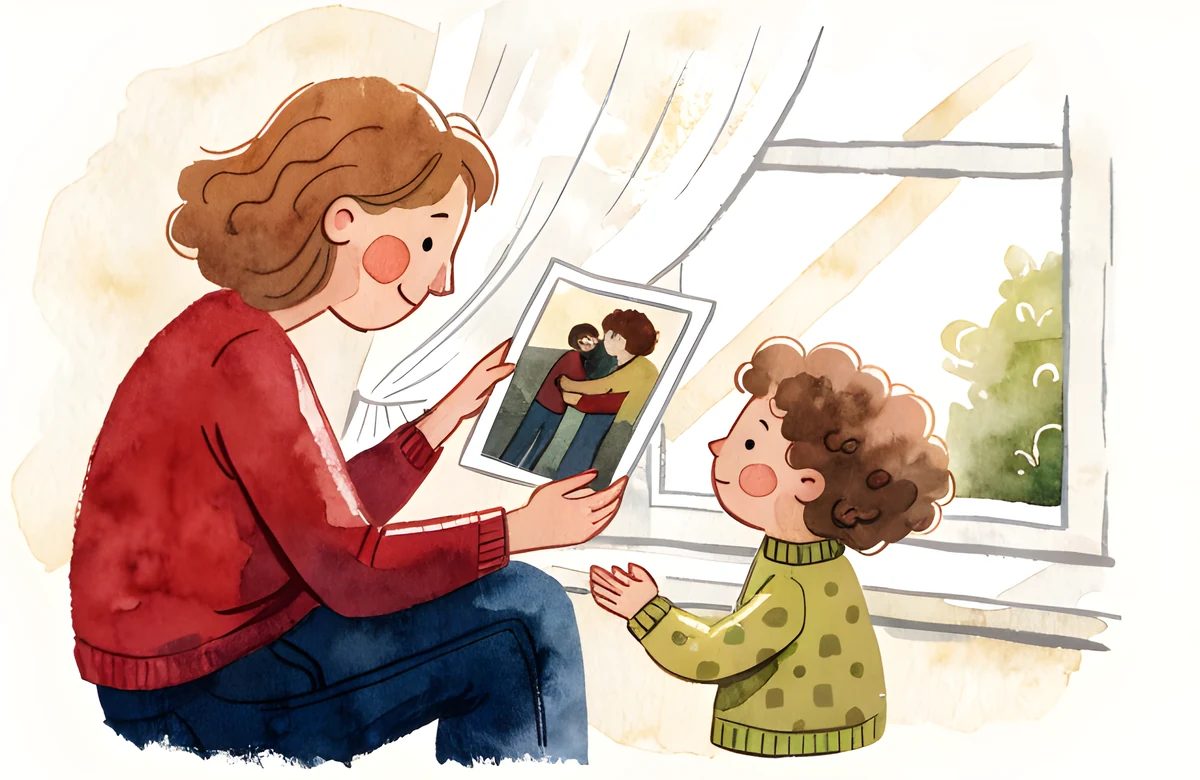
A photo from a day you spent together, a drawing you have made or a print with the child’s name on it. A photo becomes more personal if it shows something the child has done: the first fish, the sandcastle that lasted all afternoon, the first ride without stabilisers. Write the date and place on the back.
Choose a frame with acrylic instead of glass, and small rather than large. The walls belong to the family, and a smaller picture that can stand on a shelf will always find a place.
3. A calendar of the child’s year
A wall calendar with a photo for each month gets used all year. The pictures can come from the child’s own year: the first day at nursery, summer swims, the cousins at Christmas. Write in birthdays and something to look forward to.
It doesn’t have to start in January. Let it start in the month of the child’s birthday, so it runs right up to the next party. Order it from a photo printing service, or buy a blank calendar and stick in printed pictures. The second takes less time than you’d think, and a brother or sister is usually happy to help.
4. A colouring book of the child’s world
Draw the house where the child lives, the cat, the bike and the climbing tree at nursery. You can lay thin paper over a printed photo and trace the lines with a black pen. Write a line under each picture, such as ‘This is where Olivia lives’ or ‘Alfie has lost his mitten’, and the colouring book becomes a little story as well. Staple the pages together and put some new crayons in the parcel.
5. Something to do together
A day at the swimming pool, a fishing trip, a baking day or a train journey to a town the child has never seen. What makes it personal is that you have chosen something the child longs to do, and that you go along.
Make a ticket that can be opened at the party and add something small that belongs with the outing, like swimming goggles or an apron, so there is something to hold straight away. Agree the day with the parents before you promise anything. A promised cinema trip that never happens is worse than no cinema ticket at all.
6. A letter to keep
A letter costs almost nothing and may be the thing that is kept longest. Write about what you have seen the child do this year, what you like about them and what you wish for them in the year ahead. A small child may not understand the letter today, but will read it one day.
Start with something concrete: ‘I remember when you …’. A memory says more than general good wishes. You could write on the envelope when it should be opened, for example ‘When you turn ten’, and ask the parents to keep it until then.
How to choose
Start with the child, not the present. What are they talking about at the moment? Do they want to do things, look at books or collect something? A short text to the parents can save you from buying a present that ends up at the back of a drawer.
The most personal presents work best when you know the child well. For a classmate you have hardly met, a good book or a game is often simpler, with a handwritten card. If the invitation says the family would like something in particular, or that the guests are clubbing together for one shared present, go with that. There are more suggestions by occasion among the gift ideas.
Wrapping it and handing it over
Write the child’s name in big letters on the paper, perhaps with a half-dried felt-tip in the back seat on the way there. A parcel that looks homemade stands out among the glossy ones.
Think about where the present will be opened. At the party it all goes quickly and everyone is watching. A book with the child in it, a letter or a calendar with the family’s pictures is often nicer to open at home the same evening. In that case write ‘Open at home’ on the parcel and put something small on top to open straight away.
Would you like to see a finished book before you decide? Browse our example books.